


77jl | Exploring the Expansive World of Simulation Games
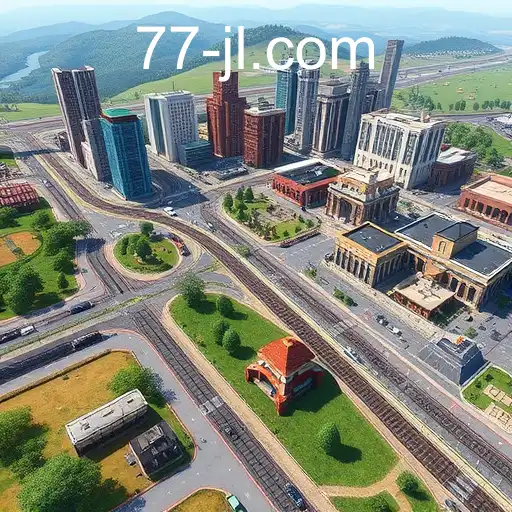
Simulation games have carved a unique niche in the gaming world, offering players an opportunity to engage with virtual environments that mimic real or fictional scenarios. This genre, marked by its diversity and depth, encompasses various subcategories including life simulation, construction and management, vehicle simulation, and more. With the keyword '77jl', one can explore a dedicated category on popular gaming websites, showcasing the breadth of this genre.
Simulation games have evolved significantly over the years, from simple text-based interfaces to complex, graphic-rich experiences. Today's simulation games often employ advanced technologies such as virtual reality and artificial intelligence, delivering immersive experiences that captivate players for hours.
One of the most appealing aspects of simulation games is their capacity for creativity and learning. Players can construct cities, manage resources, and simulate real-world physics or economics, often applying strategic thinking and problem-solving skills. Games like "The Sims" allow players to create virtual lives, managing everything from relationships to careers, offering a sandbox for those who wish to experiment with different life scenarios.
On the other hand, vehicle simulation games, such as "Microsoft Flight Simulator," offer meticulous recreations of airplanes and flight dynamics, attracting enthusiasts who relish the challenge of mastering intricate controls and navigating virtually recreated global environments. Similarly, train and truck simulators provide a detailed and authentic experience that appeals to those interested in these modes of transport.
Construction and management simulation games, like "SimCity" or "Cities: Skylines," challenge players to design and sustain complex urban landscapes, balancing growth with logistics and infrastructure. These games often simulate real-world challenges, such as economic fluctuations and environmental concerns, offering insight into city planning and management.
The educational value of simulation games is significant, making them popular in educational settings as tools for teaching complex systems and processes. By simulating environments and dynamics that would be impossible or impractical in real life, these games provide a safe space for experimentation and learning, enhancing cognitive skills and fostering creativity.
In summary, the genre of simulation games offers an expansive world where players can explore virtually limitless scenarios. Whether managing a farm, flying a plane, or building a metropolis, simulation games provide rich, engaging experiences that blur the lines between play and reality. With the keyword '77jl', enthusiasts of the genre can discover an array of titles that showcase the innovation and versatility of simulation gaming.
