


77jl | Exploring Strategy Games: The Art of Tactical Mastery
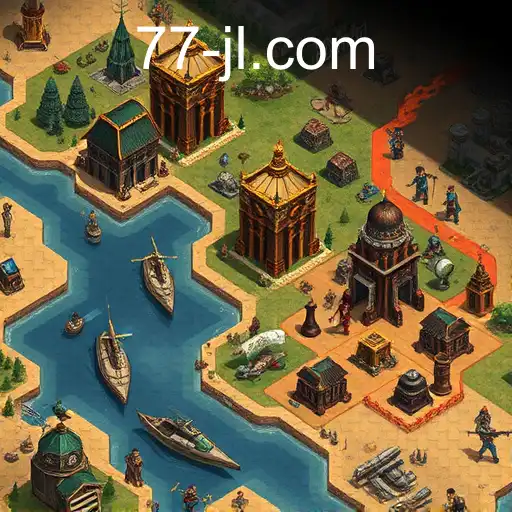
Strategy games have long held a special place in the hearts of gamers worldwide. Known for their intricate designs and demanding nature, these games require players to think critically, plan ahead, and adapt to emerging challenges. In the digital era, strategy games have evolved into a diverse genre that spans multiple sub-genres, each offering unique experiences that appeal to both casual and hardcore gamers.
The core appeal of strategy games lies in their demand for tactical thinking and problem-solving. Players must evaluate situations, allocate resources, and make decisions that will lead them to victory. From historical settings and military scenarios to futuristic battles and fantastical worlds, strategy games provide an intellectually stimulating escape that can be as rewarding as it is challenging.
Turn-based strategy games, for instance, offer a more measured pace, allowing players to take their time in crafting perfect strategies. Games like 'Civilization' have players build empires, manage diplomacy, and conquer rivals across the ages. On the other hand, real-time strategy (RTS) games like 'StarCraft' force players to think and react quickly as they manage resources and deploy units on the fly to outwit opponents.
Tactical RPGs and 4X games (explore, expand, exploit, exterminate) are other sub-genres that bring variety and depth to the strategy landscape. With titles like 'XCOM' and 'Endless Legend', players dive into intricate battles and empire-building experiences, facing off against both human and AI opponents. The complexity and depth of these games often lead to high replayability, as multiple playthroughs offer new challenges and outcomes.
One significant aspect of strategy games is their online community and competitive scene. Multiplayer strategy games provide an arena for players to test their skills against others, fostering a sense of achievement and camaraderie. From global leaderboards to organized tournaments, the competitive nature of these games drives players to continuously improve and innovate.
In recent years, the accessibility of strategy games has broadened with the rise of indie developers and digital platforms. This democratization has led to an explosion of creative titles, ensuring there is something for every type of strategist. Whether you're leading civilizations to glory, commanding armies in sci-fi landscapes, or outmaneuvering opponents in historical scenarios, strategy games offer a rich and varied experience that continually captivates and challenges players worldwide.
In conclusion, strategy games are a testament to the power of intellect and adaptability. As technology advances and new titles emerge, the genre continues to expand, offering fresh experiences for players seeking both entertainment and a test of their strategic prowess. The thrill of strategizing, adapting, and ultimately succeeding in these virtual environments keeps players coming back, proving that strategy games are here to stay.
